🏛️ What Is This Scheme?
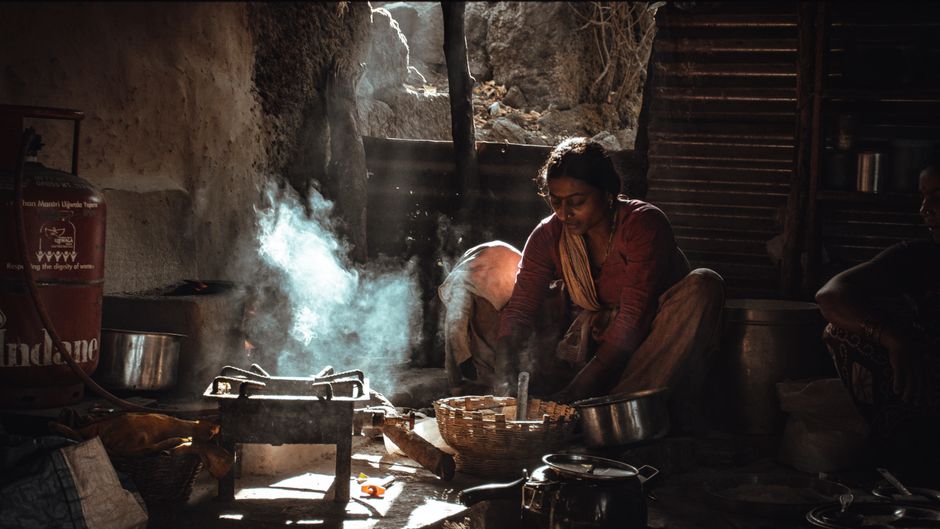
The Pradhan Mantri Ujjwala Yojana (PMUY) was launched by the Ministry of Petroleum and Natural Gas in 2016, with the primary objective of providing clean cooking fuel to women from Below Poverty Line (BPL) families across India. The scheme aims to replace traditional cooking methods, such as using firewood and coal, which are harmful to health and the environment. PMUY Phase 3.0, specifically focusing on Manipur, continues this mission by offering free LPG connections to eligible women, ensuring they have access to a safer and more efficient cooking solution. This initiative not only promotes health and well-being but also empowers women by reducing the time spent on cooking and collecting fuel, allowing them to engage in other productive activities.
💰 Key Benefits
Under the PMUY Phase 3.0, eligible women will receive a free LPG connection, which typically costs around ₹1,500 to ₹3,000. This includes the cost of the LPG cylinder and the stove. Additionally, beneficiaries will receive a subsidy of ₹200 per cylinder for the first 12 refills in a financial year, significantly reducing the overall cost of cooking fuel. With these benefits, families can save money and improve their cooking experience.
✅ Who Is Eligible?
To qualify for the PMUY Phase 3.0, applicants must meet the following criteria: 1. Women belonging to Below Poverty Line (BPL) families as identified by the State Government. 2. No specific age limit is set, but the applicant must be a woman. 3. Families must not have any LPG connection in their name.
🚫 Who Cannot Apply?
Individuals who do not qualify for the PMUY Phase 3.0 include: 1. Women from Above Poverty Line (APL) families. 2. Families that already possess an LPG connection. 3. Men or male-headed households, as the scheme specifically targets women.
📄 Documents Required
To apply for the PMUY Phase 3.0, you will need the following documents: 1. Aadhaar card of the applicant. 2. Income certificate or BPL certificate issued by the State Government. 3. Bank passbook or bank account details for subsidy transfer. 4. Passport-sized photographs.
📝 How To Apply — Step by Step
Follow these steps to apply for the PMUY Phase 3.0: 1. Contact your local LPG distributor to get information about the scheme. 2. Fill out the application form provided by the distributor. 3. Submit the required documents along with your application form. 4. Once your application is processed, the LPG connection will be provided to you.
📅 Important Dates
The PMUY Phase 3.0 is currently active, and applications are accepted on a rolling basis. There is no specific deadline, but it is advisable to apply as soon as possible to avail of the benefits.
💡 Pro Tips
1. Ensure all your documents are in order before applying to avoid delays. 2. Common mistakes include submitting incomplete forms or incorrect documents, so double-check everything before submission.