🏛️ What Is This Scheme?
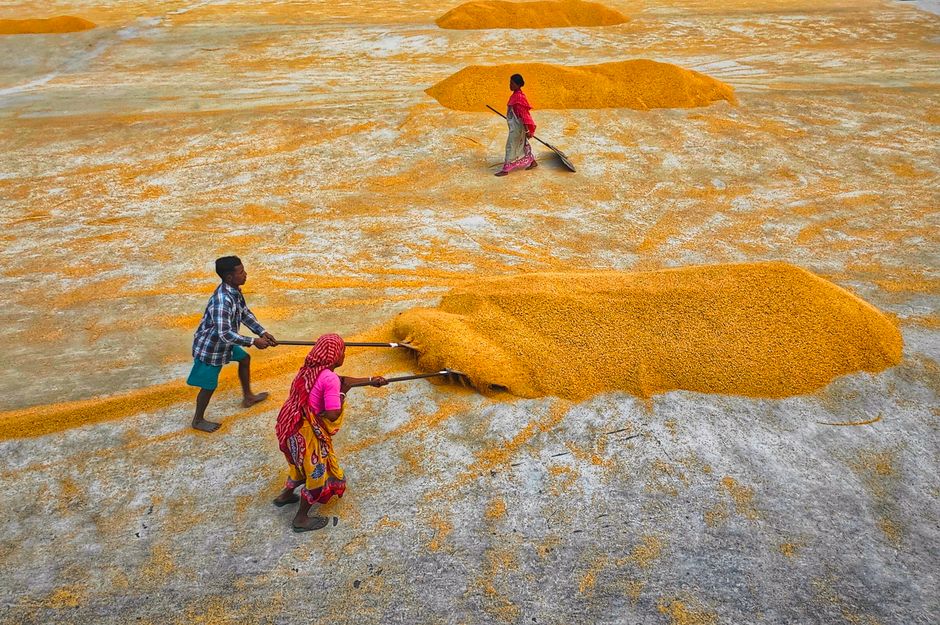
Launched by the Central Government of India, the One District One Product (ODOP) scheme aims to create a powerful impact by focusing on one unique product from each district across the country. The main goal is to boost rural economies, reduce food wastage, and promote the growth of food processing industries. Think of it as unlocking the hidden potential in every corner of India! This initiative, spearheaded by the Ministry of Food Processing Industries (MoFPI), helps transform raw agricultural produce into value-added products. It's about making our villages self-reliant and creating opportunities right where people live, connecting local strengths with national and international markets.
💰 Key Benefits
The ODOP scheme offers a wide range of support to make your food processing dreams a reality. You can get financial assistance in the form of grants and subsidies. For setting up new food processing units, eligible applicants can receive a capital subsidy up to 35% of the project cost, with a maximum of ₹5 crore. For women entrepreneurs and those in Scheduled Caste/Scheduled Tribe categories, this subsidy can go up to 50%, capped at ₹10 crore. Additionally, there's support for strengthening infrastructure, including cold chains and storage facilities, which can help reduce spoilage and increase shelf life. Training and skill development programs are also offered to equip you with the knowledge needed to run a successful food processing business. There's also a focus on improving marketing and branding, helping your unique products reach a wider audience. For instance, grants are available for participation in national and international trade fairs, sometimes covering up to 75% of participation costs.
✅ Who Is Eligible?
The ODOP scheme is designed to empower those directly involved in agriculture and food processing. To be eligible, you must be an individual farmer, a farmer producer organization (FPO), a self-help group (SHG), or a private sector company engaged in food processing. The key criterion is that your district must have potential for processing a specific food product. There are no strict age limits, meaning individuals of all adult ages can apply. Similarly, there are no income ceilings, as the scheme focuses on business potential rather than personal wealth. If you are a farmer looking to add value to your produce, or a food processor aiming to expand your operations, you are likely eligible. This includes individuals and groups who want to set up small, medium, or large-scale food processing units.
🚫 Who Cannot Apply?
While the ODOP scheme is quite inclusive, there are a few categories of applicants who might not be eligible. For instance, government departments or public sector undertakings (PSUs) are generally not the primary beneficiaries for setting up processing units under this scheme. Individuals or companies whose main business is not related to food processing or agriculture, and who do not have a clear plan to integrate local produce, would also not qualify. Similarly, if you have a history of non-compliance with government schemes or have outstanding dues from previous government projects, you might face difficulties. The scheme is targeted at fostering new and existing food processing enterprises, so speculative or non-productive ventures are unlikely to be approved.
📄 Documents Required
To successfully apply for the ODOP scheme, you'll need a comprehensive set of documents. This usually includes proof of identity like your Aadhaar Card and Voter ID. For individuals, a PAN Card is essential. If you are an FPO or SHG, you'll need your registration certificates. Proof of land ownership or lease agreement for the proposed processing unit is also vital. Detailed project reports (DPRs) outlining your business plan, market analysis, and financial projections are a must. Bank account details, including a copy of your passbook or a cancelled cheque, will be required for any financial transactions. For companies, registration documents and Memorandum of Association (MoA) are necessary. An affidavit stating that you haven't availed benefits from similar schemes for the same project might also be requested. Depending on your location and project, specific local government approvals might be needed.
📝 How To Apply — Step by Step
Applying for the ODOP scheme involves a structured process. Here’s a general guide:
1. Identify your district's unique product: Understand which agricultural produce your district is known for and has potential for processing.
2. Prepare a detailed project report: This report should cover your business idea, the processing technology you plan to use, market analysis, financial viability, and the expected impact.
3. Contact the Ministry of Food Processing Industries (MoFPI): Reach out to MoFPI officials or visit their website, https://mofpi.gov.in/, for the latest guidelines and application forms. They often have specific portals or designated contact points for ODOP applications.
4. Submit your proposal: Submit your detailed project report and all required documents through the designated online portal or to the specified office.
5. Project appraisal: Your proposal will be reviewed by a technical and financial appraisal committee.
6. Approval and support: If your project is approved, you will receive guidance on availing the sanctioned financial assistance and other benefits.
📅 Important Dates
The ODOP scheme is a continuous initiative, and applications are typically accepted throughout the year. However, specific application cycles or deadlines might be announced by the Ministry of Food Processing Industries based on budgetary allocations and program objectives. It is advisable to check the official MoFPI website regularly for any updates regarding application periods. For instance, if a new phase or a special drive is announced for a particular year, say 2026, there might be specific submission windows. Renewal of any ongoing support or benefits would also follow the guidelines provided by the ministry, usually on an annual or biennial basis.
💡 Pro Tips
Here are a couple of insider tips to help you navigate the ODOP scheme successfully:
1. Focus on sustainability and innovation: When preparing your project report, highlight how your food processing unit will be environmentally friendly and how you plan to use innovative technologies to add value and reduce waste. This can significantly boost your chances of approval.
2. Understand local requirements: Before submitting your application, thoroughly research the specific ODOP guidelines for your district and state. Sometimes, state nodal agencies play a crucial role, and understanding their specific requirements can save you a lot of time and effort. A common mistake is to overlook the importance of a robust and realistic project report; ensure it clearly demonstrates profitability and social impact.