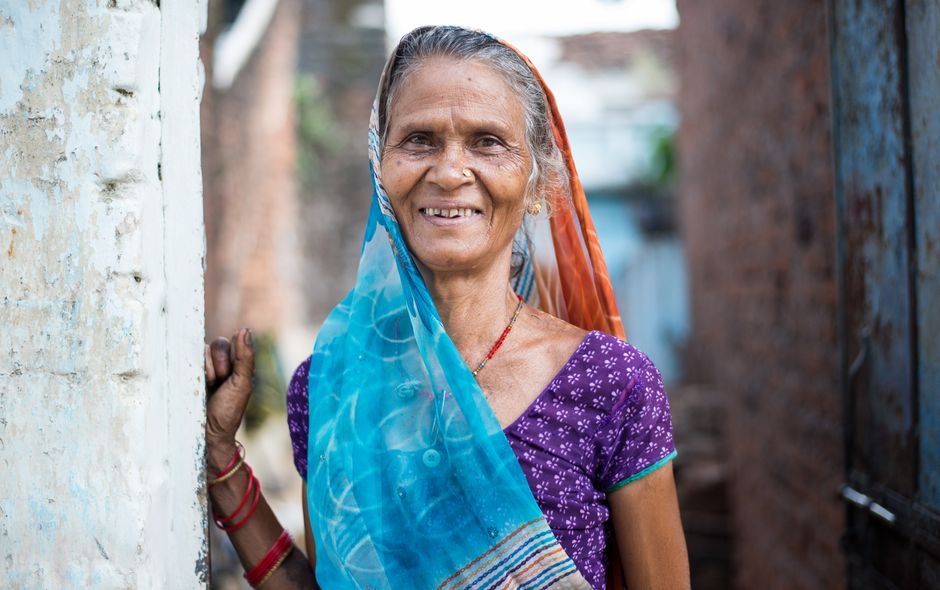
What is the Scheme?
The ASHA Program stands for Accredited Social Health Activist. It is a government initiative in India. Launched by the Ministry of Health and Family Welfare, this program aims to improve healthcare in rural areas. ASHA workers play a crucial role. They act as a bridge between the community and healthcare services. This program started in the early 2000s and has grown significantly since then. ASHA workers are trained to provide basic healthcare education and support. They help people access medical facilities, promote hygiene, and ensure immunization. The primary goal is to reduce maternal and child mortality rates. It also aims to improve overall health awareness in villages and remote areas.
Why This Matters
Access to healthcare is essential for every individual. The ASHA Program directly impacts rural communities. Many people in these areas struggle to reach healthcare facilities. ASHA workers visit homes and offer guidance. They help pregnant women get proper care. They also educate families about nutrition and disease prevention. This program empowers women, as many ASHA workers are themselves from the communities. By providing accurate health information, they help reduce myths and misconceptions. The ASHA Program ensures that even those in remote areas receive the healthcare they need. It builds trust within the community and encourages people to seek help when required.
Key Benefits
The ASHA Program offers several benefits. First, it provides access to healthcare services. This includes maternal and child health services. ASHA workers also offer health education. They assist with immunizations and family planning. By having a local health worker, families can receive timely advice. This program helps in monitoring health trends in the community. While specific financial benefits are not outlined, the value lies in improved health outcomes. Healthier communities can lead to economic growth. When people are healthy, they can work better and contribute to society.
Who Can Apply?
The ASHA Program is designed to support all community members, especially in rural areas. There are no strict eligibility criteria. Anyone can benefit from the services provided by ASHA workers. However, the program focuses mainly on pregnant women, children, and families in need of health education. Everyone from various backgrounds can access the assistance of ASHA workers. This ensures no one is left out, especially those who may not have easy access to healthcare.
Selection / Approval Process
The selection of ASHA workers is crucial for the program's success. The government identifies potential candidates from local communities. These candidates must be women, as the program aims to empower females in healthcare roles. After selection, the candidates undergo training. This training covers various health topics and community engagement strategies. Once trained, they are deployed to serve their respective villages. The Ministry of Health and Family Welfare oversees this entire process. This ensures that the right individuals are chosen to help the community effectively.
Documents Required
For the ASHA Program, specific documents are not explicitly mentioned. However, it is helpful to have identification proof when interacting with ASHA workers. This could be an Aadhar card or any local identity document. Having this can help in establishing trust and verifying the identity of the ASHA worker as well. Generally, ASHA workers do not require documents from beneficiaries. They mainly provide services based on community needs.
How to Apply — Complete Step-by-Step Process
To access the benefits of the ASHA Program, follow these simple steps: 1. Look for your local ASHA worker in your village. 2. You can ask neighbors or community leaders for their contact. 3. Once you find them, approach them for assistance. 4. The ASHA worker will provide you with the necessary healthcare information. 5. You can discuss your health concerns or needs with them. 6. They will guide you on how to access medical services or facilities. Because ASHA workers are already deployed in your area, you don't need to fill any application forms. Just reach out to them directly!
Common Mistakes That Cause Rejection
Here are some common mistakes people make: 1. Not reaching out to ASHA workers early enough. Many wait until emergencies arise. 2. Not following up on health recommendations. It's important to keep communication open. 3. Misunderstanding the services provided. Some think ASHA workers offer medical treatments, but they primarily provide guidance. 4. Assuming they need documents to get help. ASHA workers help everyone regardless of documentation. 5. Ignoring the importance of health education provided by ASHA workers. Engaging with them can greatly benefit your family’s health.
What You Won't Get
The ASHA Program focuses on guidance and support. You will not receive direct medical treatment from ASHA workers. They do not provide medications or perform surgeries. Their role is to educate and assist in navigating healthcare services. You also won't receive financial aid directly from this program. The benefits are largely in the form of access to information and local healthcare support. Understanding these limitations is key to managing expectations.
Official Resources
For more information about the ASHA Program, visit the Government of Punjab website. This site provides official updates and resources related to healthcare services in your area. Stay informed about the latest developments and support available through the ASHA Program.